
Industrial Safety Gloves: Leather and Cotton Choices That Actually Protect Hands
Hands take the first hit on industrial floors. A sharp edge, a hot surface, a rough casting, a splash of oil, it all shows up on your fingers before you even think about it. That’s why buying industrial safety gloves leather and cotton isn’t just a box to tick, it’s a decision that affects comfort, speed, and injury risk every shift.
Leather and cotton sound simple, almost old-school. But that mix is still one of the most practical combinations for heat, abrasion, and day-long wear. The trick is knowing what each material does best, where it fails, and how to spot a glove that’s built for real work, not light-duty tasks.
Why leather and cotton are still a smart combo for industrial gloves
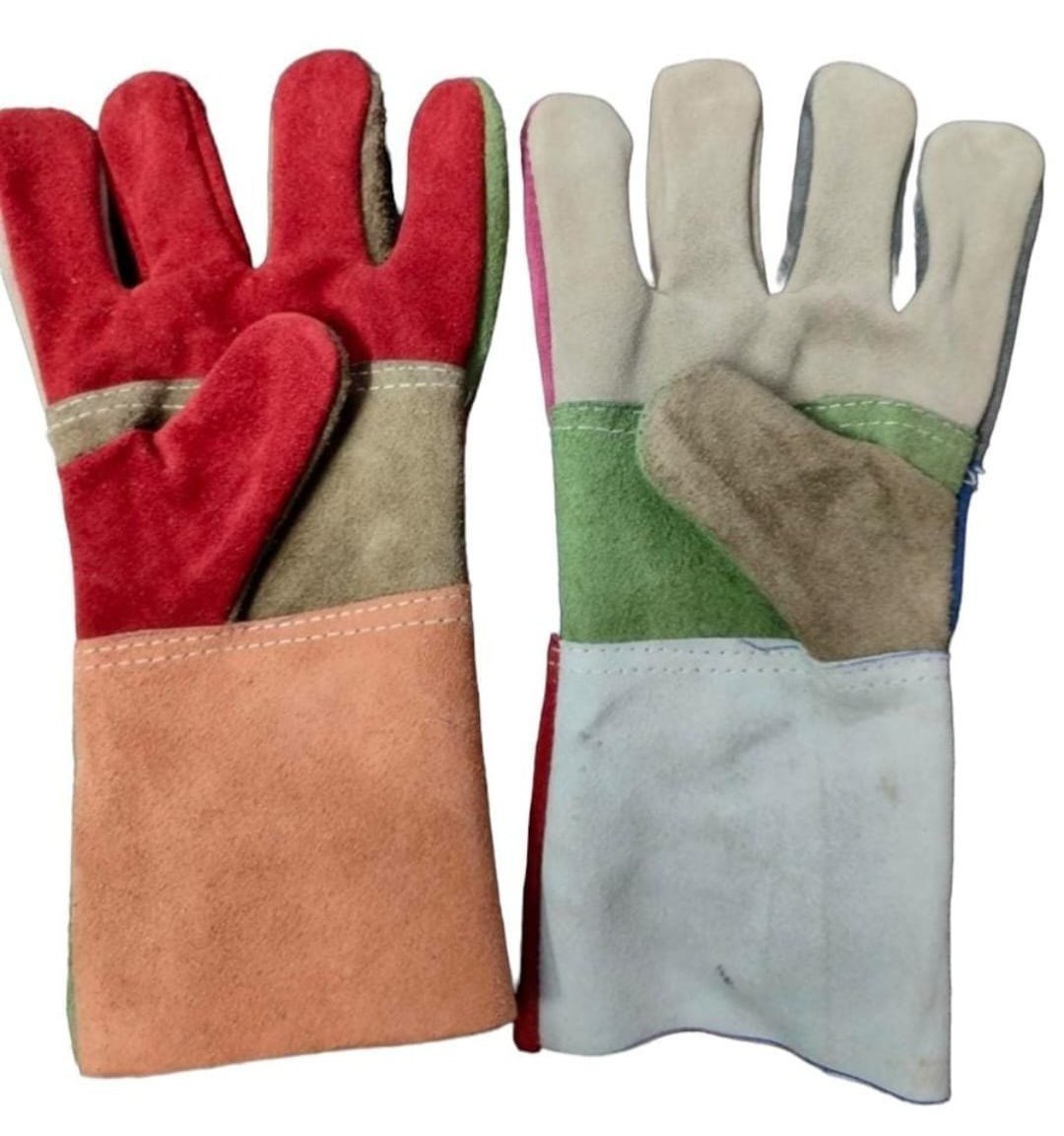
Photo by cottonbro studio
Leather is like a tough outer shell. It handles abrasion, grips better than many synthetics in dry conditions, and stands up to sparks and brief contact heat better than plain fabric. When you’re moving metal stock, handling rough pallets, or dragging parts across a bench, leather takes the scraping so your skin doesn’t.
Cotton is the comfort layer people forget to ask about. A cotton lining can reduce sweat feel, soften the inside, and help with heat comfort because it creates a buffer between your hand and the outer layer. On hot jobs, that lining can be the difference between “I can finish this run” and “I need these gloves off right now.”
The leather-and-cotton pairing works best when each layer has a clear job:
- The leather outside resists abrasion, friction, and minor heat.
- The cotton inside improves comfort and helps with heat insulation (especially when it’s flame-retardant treated in certain glove designs).
This is also why many heat-focused work gloves use leather with a cotton lining. If you’ve ever looked at welding or foundry glove specs, you’ll often see leather paired with a flame-retardant cotton liner, like these examples of leather gloves with flame-retardant cotton lining that are designed for higher-heat tasks.
One important note: leather and cotton don’t automatically mean “safe for everything.” They’re not chemical gloves, and they’re not a replacement for cut-rated fibers when blades are the main hazard. Think of them as dependable protection for tough handling, moderate heat, and harsh surfaces.
What to check before buying leather and cotton industrial safety gloves
A glove can look heavy-duty and still fail early. Seams pop, palms get slick, or the fit is so bulky that workers start taking gloves off “just for a minute.” Before you buy, focus on build details that affect safety and real comfort.
Start with the hazard and the heat type
Heat is not one thing. Brief contact heat (touching warm parts) is different from radiant heat (standing near furnaces) and different again from sparks and spatter (welding). Many leather gloves handle sparks well, but the lining, cuff length, and stitching decide whether the glove stays comfortable.
If you’re comparing options, it helps to look at product specs from industrial suppliers to understand how features vary across glove lines. This kind of category breakdown is useful: leather heat resistant glove specifications.
Build features that matter most
Here’s what separates a “works for a week” glove from a glove people want to wear:
- Palm construction: A reinforced palm or patch improves wear where friction is highest.
- Lining type: Cotton lining boosts comfort; thicker lining usually improves heat comfort but can reduce dexterity.
- Stitching thread: Heat work often calls for stronger thread choices (some products use aramid stitching for higher heat zones).
- Cuff length and style: Longer cuffs protect wrists and lower forearms, useful around sparks and rough edges.
- Fit and finger shape: If the glove fights your grip, productivity drops and people cheat by removing it.
Quick comparison: leather vs cotton vs combination
| Material setup | What it’s best for | Main drawback |
|---|---|---|
| Full leather | Abrasion, grip, sparks, rough handling | Can feel hot, may stiffen if wet and dried poorly |
| Cotton (outer) | Light handling, breathability, low heat tasks | Poor abrasion resistance, weak against sparks and rough edges |
| Leather outer + cotton lining | Balanced comfort and protection for many industrial tasks | Bulk can reduce dexterity if over-insulated |
For buyers, the practical goal is simple: choose the lightest glove that still meets the hazard. Overbuilding sounds safe, but overly thick gloves can cause mistakes, dropped parts, and fatigue.
Matching glove type to the job, then making it last
Buying the right glove is only half the story. The other half is making sure the glove matches the work pattern and is cared for so it performs consistently.
Where leather-and-cotton gloves shine
Leather outside with cotton inside is a strong fit for:
Welding support tasks, handling warm workpieces, general fabrication, maintenance work, and warehouse handling where abrasion is constant. If heat is part of the job, look for designs that pair leather with protective lining and longer cuffs. Some heat gloves are built with extended length and reinforced areas, similar to gloves described as elbow-length leather heat gloves for higher exposure zones.
That said, if the top risk is sharp sheet metal edges, you may need a dedicated cut-rated glove or a layered approach (cut protection under a leather outer), depending on your safety policy.
Common buying mistakes to avoid
Most glove problems are predictable:
- Buying for “worst case” heat, then workers remove gloves because they’re too bulky.
- Ignoring cuff coverage, then wrist burns show up anyway.
- Skipping lining details, then sweat and irritation become the real reason PPE use drops.
- Treating one glove type as universal across welding, grinding, and chemical handling.
A glove is like a tool. Use the wrong one, and it either breaks or hurts you.
Care tips that keep gloves safer
Leather hates being soaked and baked dry. Cotton liners hate being left damp in a locker.
Use these habits to extend life and keep grip stable:
- Let gloves air-dry at room temp after sweaty shifts, away from direct heaters.
- Brush off metal dust and grit, because embedded grit can wear seams and scratch parts.
- Replace gloves when the palm gets thin or stitching opens, even if they “still fit.”
- Store pairs flat so cuffs don’t curl and crack.
Even small maintenance habits reduce the “mystery failures” that lead to hand injuries.
Conclusion
The best industrial safety gloves leather and cotton are the ones people can wear all day without fighting the fit, while still getting real protection from abrasion and heat exposure. Look past the surface and check lining, stitching, cuff coverage, and palm build. Buy for the hazard you actually have, then care for the gloves like any other work tool. Your hands are your first line of control, treat their protection the same way.


0 Comments